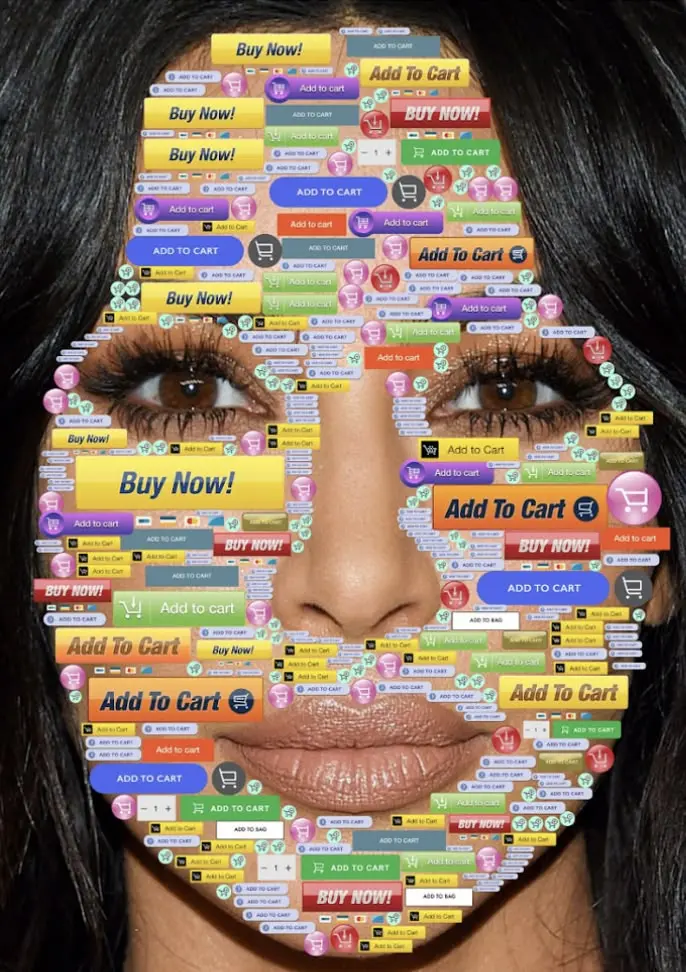

Good recognition and a loyal community around your product are not a lucky accident. In most cases it's the result of deliberate, long-term work with brand reputation.
If you're building a product or company, at some point you face the same questions our clients bring to Pragmica:
- What exactly is "brand reputation"?
- How is it different from "image"?
- And what can you actually do to manage it instead of hoping for the best?
Let's break it down.
What is brand reputation?
There's a famous line attributed to John D. Rockefeller:
"Get a reputation and it will work for you."
Behind this sentence is a simple idea: reputation is an asset that accumulates and compounds.
Brand reputation is the collective opinion people form about a company after real interactions with it. It's not what you say about yourself, but what customers, partners, candidates and the wider audience say and feel after:
- buying and using your product or service,
- dealing with your support or sales team,
- working with you as partners or suppliers,
- seeing how you behave in public and online.
Every touchpoint — from a delayed response to a bug in the app to an unexpectedly generous gesture — adds one more "brick" to that reputation. In a digital world, those bricks are visible to everyone: reviews, posts, ratings, screenshots, tweets, comments, videos.
So to Rockefeller's quote we'd add: You don't just "get" a reputation once; you maintain and adjust it constantly.
Reputation vs. Image: what's the difference?
These two are often mixed up, but for strategy they're very different:
Who creates it
- Image is designed by the brand itself.
- Reputation is created by people who interact with the brand.
How it is formed
- Image is built through branding, advertising, visual design, messaging, content — everything you intentionally produce to shape perception.
- Reputation is formed through real experience: product quality, service, how you behave in crises, how you treat employees and partners.
What it represents
- Image is how the brand wants to be seen. It can be created relatively quickly. Sometimes a few touches are enough to form a first impression.
- Reputation is how the brand is actually experienced over time. It's built slowly, over months and years of interactions.
What it's for
- Image attracts people.
- Reputation keeps them.
The gap between "who we say we are" and "who we are in reality" is where reputational problems live. If positioning says "transparent fintech" while you hide fees and ignore support tickets, people feel that dissonance very quickly.
Why your brand needs to manage its reputation
Every brand deals with negativity sooner or later. A single bad review won't kill you. But if negative signals keep accumulating and the company does nothing, it becomes a real risk — for sales, hiring, partnerships and investor trust.
The uncomfortable truth: you can't "set up" reputation once and forget about it. It's an ongoing process that should exist as long as the company exists.

A simple example: two coffee shops
Imagine two coffee shops on the same street:
- The first offers good salary and benefits but ignores reviews, doesn't post on social media and never responds publicly to criticism.
- The second posts actively, thanks staff publicly, replies to reviews, explains mistakes and shows how they fix them. They also give extra perks to baristas: training, events, competitions.
Both might have similar conditions on paper, but candidates will gravitate to the second one because:
- it's easier to find positive stories about working there,
- the brand feels "alive" and engaged,
- people trust that if something goes wrong, the company will respond.
The same applies to customers and partners. A brand that invests in its reputation:
- attracts more and better candidates,
- keeps customers for longer even when competitors appear,
- negotiates with partners from a stronger position,
- pays less for acquisition over time because trust does part of the work.
When reputation is under attack: Casio vs. the meme
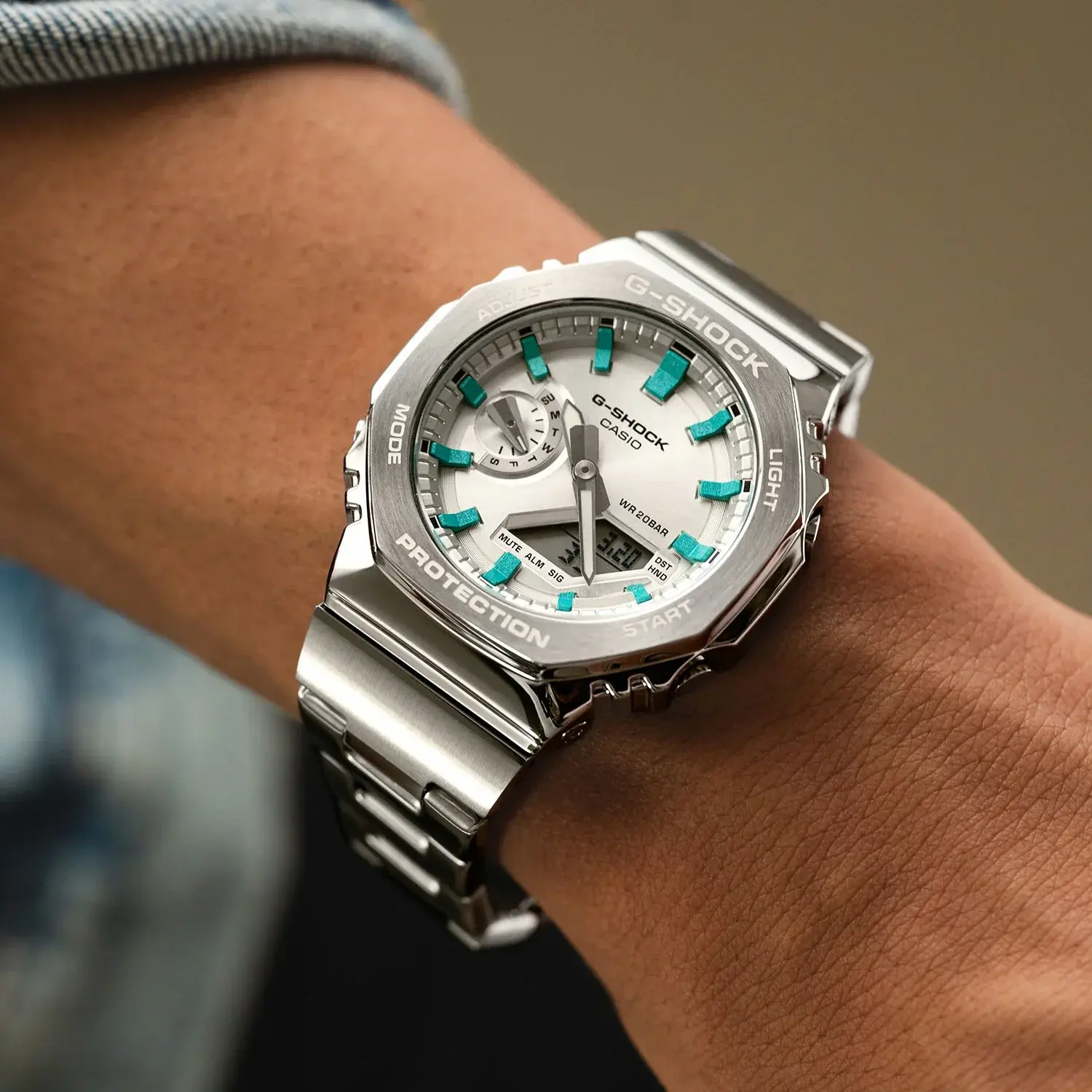
In 2023, Casio suddenly found itself in the middle of a global pop-culture drama. In a high-profile track, the singer Shakira used the line "You traded a Rolex for a Casio" — clearly implying Casio is the "worse" choice.
The brand could have stayed silent or reacted defensively. Instead, the team leaned into the situation with witty responses on social media, for example: "Our batteries last longer than that relationship."
This approach:
- shifted attention from the insult to Casio's strengths (reliability, longevity),
- showed the brand has a sense of humor and self-awareness,
- turned a negative mention into a wave of organic reach, memes and discussion,
- introduced the brand to audiences that hadn't thought about Casio for years.
That is what active reputation management looks like: not panic or aggression, but a fast, controlled reframing of the narrative.
How to manage brand reputation in a digital world
Today, brand reputation is shaped mostly in online spaces: search engines, marketplaces, social media, review platforms, forums, messengers. People are used to checking "what others say" before they buy, join or partner.
To keep your reputation healthy, you need a set of tools and a consistent process — not just a random reaction when a scandal pops up.
ORM: Online Reputation Management
ORM (Online Reputation Management) is the systematic management of how your brand is perceived online. In practice it includes:
- Monitoring mentions in real time
Tracking reviews, mentions, tags, articles, comments, videos — all signals that contain your brand name or product names. - Active communication with the audience
Responding to comments and reviews, handling conflicts, clarifying misunderstandings, escalating real problems internally instead of just "masking" them. - Balancing negative content with positive
Publishing useful, honest content: case studies, expert articles, behind-the-scenes stories, interviews, product updates, user stories. - Working with search results (SERM)
Making sure that when people search "[your brand] reviews", they see a balanced picture, not just old or biased negativity.
ORM is relevant for projects of any size — from early-stage startups to large corporations. Depending on your current situation, the strategy might be:
- fix a damaged reputation,
- maintain a positive one,
- or build and strengthen an emerging one for a new brand.
Three core stages of ORM
- Situation analysis
- What do people already think and say about the brand?
- Where do they discuss you — review sites, forums, social media, niche communities?
- How strong is the negative/positive balance?
- What are competitors doing?
- Strategy definition and execution
- Protect and support reputation (respond, explain, fix processes, improve experience).
- Stimulate more positive reviews and user stories.
- Build expert status via thoughtful content, speaking, PR.
- Monitoring and adjustment
- Track indicators over time: sentiment, volume of mentions, visibility of positive vs negative pages.
- Refine your approach if results don't match goals.
This isn't a one-time "campaign". It's a continuous loop.
SERM: managing what people see in search
SERM (Search Engine Reputation Management) is a more focused practice aimed at how your brand looks specifically in search results.
Imagine someone types "YourBrand reviews" into Google. If the first page is dominated by angry threads from 2018 and low-quality review sites, even a neutral user will approach you with suspicion. SERM is about changing that picture over time:
- removing obviously false or legally problematic content via platform support or legal channels,
- resolving real customer issues and kindly asking them to update or remove their old negative reviews,
- stimulating high-quality, honest positive reviews on reputable platforms,
- pushing more useful, balanced content into the top results,
- optimizing your own blog, FAQ, and help center around real user queries so they rank better.
SERM can be part of a broader ORM strategy or used as a targeted tool when search pages are clearly toxic.

Hidden marketing: the subtle side of reputation
There is also hidden (stealth) marketing — when brand advocates or hired specialists join discussions as "regular users" and talk about the brand's strengths in a natural way: in comments, Q&A platforms, niche communities, etc.
The key here is ethics and realism:
- no aggressive "copy-paste" slogans,
- no obviously fake accounts,
- no manipulation in sensitive contexts.
When done well, this works more like word-of-mouth: a real story from "someone like me" about a product that solved a problem. When done poorly, it looks like cheap astroturfing and damages reputation instead of improving it.

The bottom line
Reputation is one of the most valuable assets a brand has — and one of the easiest to neglect day to day.
If you ignore it:
- negative comments accumulate,
- unfair content stays visible for years,
- talented people choose to work elsewhere,
- potential customers hesitate and go to competitors with a cleaner digital footprint.
If you treat it as an ongoing product:
- you see problems earlier and fix root causes, not just symptoms,
- each crisis becomes a chance to show your values in action,
- loyal customers, employees and partners start defending you organically,
- marketing and hiring become easier and cheaper over time.
From our work at Pragmica, we see the same pattern:
Brands that treat reputation as a living system — not as a PR campaign — grow more resilient, more attractive and more trusted.
Watch your reputation constantly, not once in a while. And make sure that the story people tell about your brand is close to the story you tell about yourself.